What to Know Before Shopping for Awnings
Awnings have become increasingly popular for both residential and commercial properties. Their appeal is largely due to their ability to enhance aesthetic value while providing functional benefits like shade and weather protection. In recent years, the variety of materials and styles available has expanded greatly, offering more choices to consumers. Whether for a home terrace or a business storefront, awnings contribute significantly to energy efficiency and outdoor comfort. As people continue to seek sustainable and cost-effective solutions, awnings remain a top consideration.
The market for awnings is booming as homeowners and businesses alike discover their utility. Awnings not only add elegance to a building's exterior but also serve as a practical solution for reducing heat gain, thereby cutting down on cooling costs. With the use of high-quality fabrics and robust structures, today's awnings are built to withstand diverse weather conditions. They are customizable, allowing individuals to express their personal sense of style. This fusion of form and function has solidified awnings as an essential architectural element.
From enhancing curb appeal to improving outdoor living spaces, awnings come with a plethora of benefits. For business owners, awnings are a vital aspect of branding, as they increase the visibility and attractiveness of storefronts. Homeowners, on the other hand, value awnings for their ability to expand functional outdoor space and provide shade. As technological advancements pave the way for more innovative designs, awnings continue to evolve, offering even more features and benefits. Understanding the different types and styles is key to making an informed purchase.
Understanding Awnings: Types and Styles
Retractable Awnings
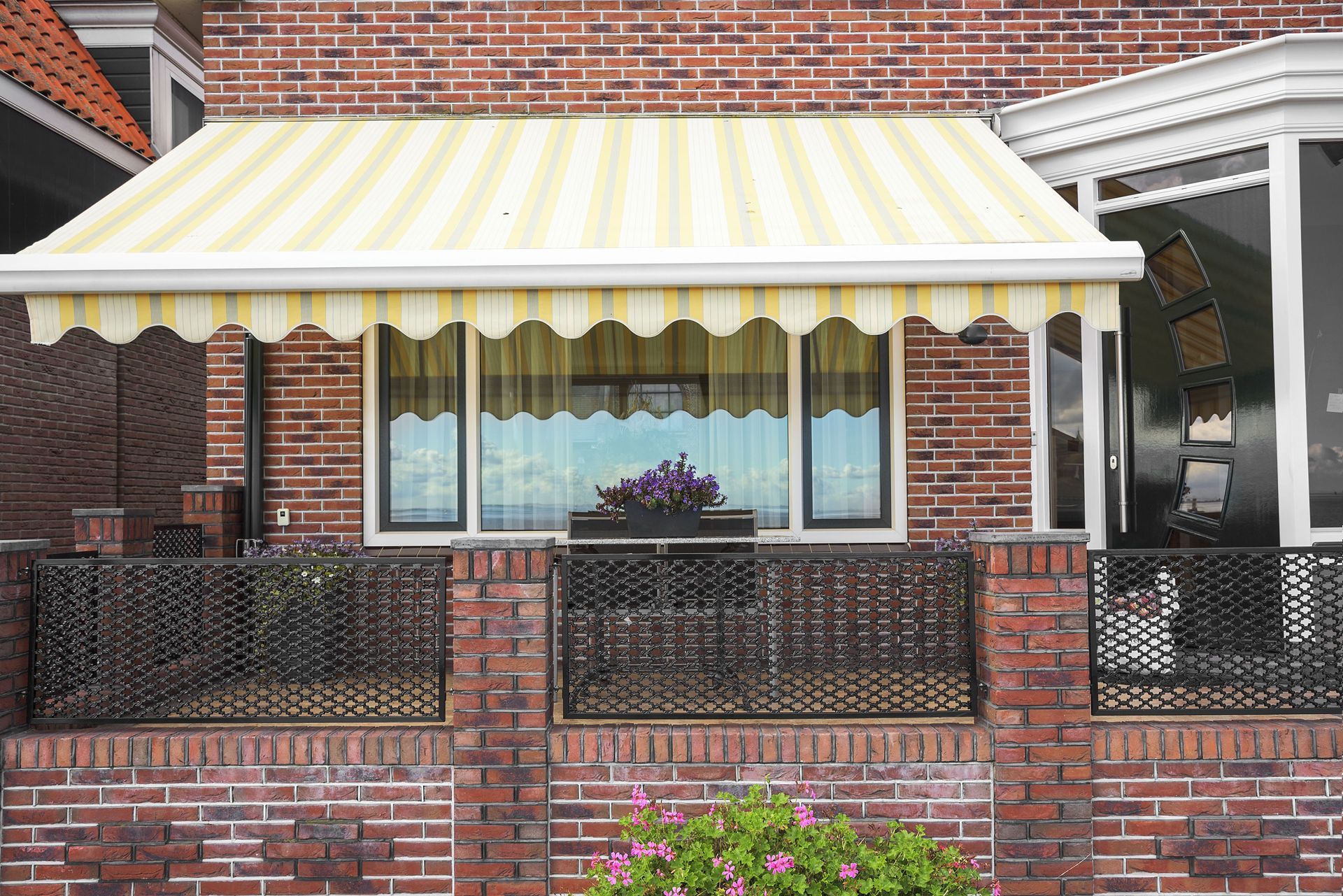
Retractable awnings are a popular choice due to their versatility and functionality. Unlike fixed awnings, they can be extended or retracted as needed, providing flexibility in terms of sun and rain protection. According to Bob Vila, most retractable awnings range from eight to 12 feet wide by seven to 12 feet deep, making them suitable for various spaces. These awnings are ideal for patios and decks, allowing for easy adaptation to changing weather conditions. Additionally, motorized models offer convenience, with options for remote control operation.
Retractable awnings help in reducing energy costs by providing shade during hot months, which decreases the need for air conditioning. When retracted, they prevent damage from adverse weather conditions such as strong winds or heavy snow. This ability to shield the surface beneath while minimizing structural stress makes retractable awnings an excellent long-term investment. They also come in various materials and colors, which means they can match almost any architectural style. Overall, their adaptability makes them favorable for both residential and commercial properties.
However, one must consider the initial cost, which is generally higher than other types. Despite this, the long-term benefits often outweigh the initial expenditures. Investing in a high-quality retractable awning ensures longevity, aesthetic appeal, and functional value, making them a worthwhile addition to any space. Their advanced features often include weather sensors for automatic adjustments, enhancing convenience. Over time, the energy savings and comfort they provide make retractable awnings an excellent asset.
Fixed Awnings
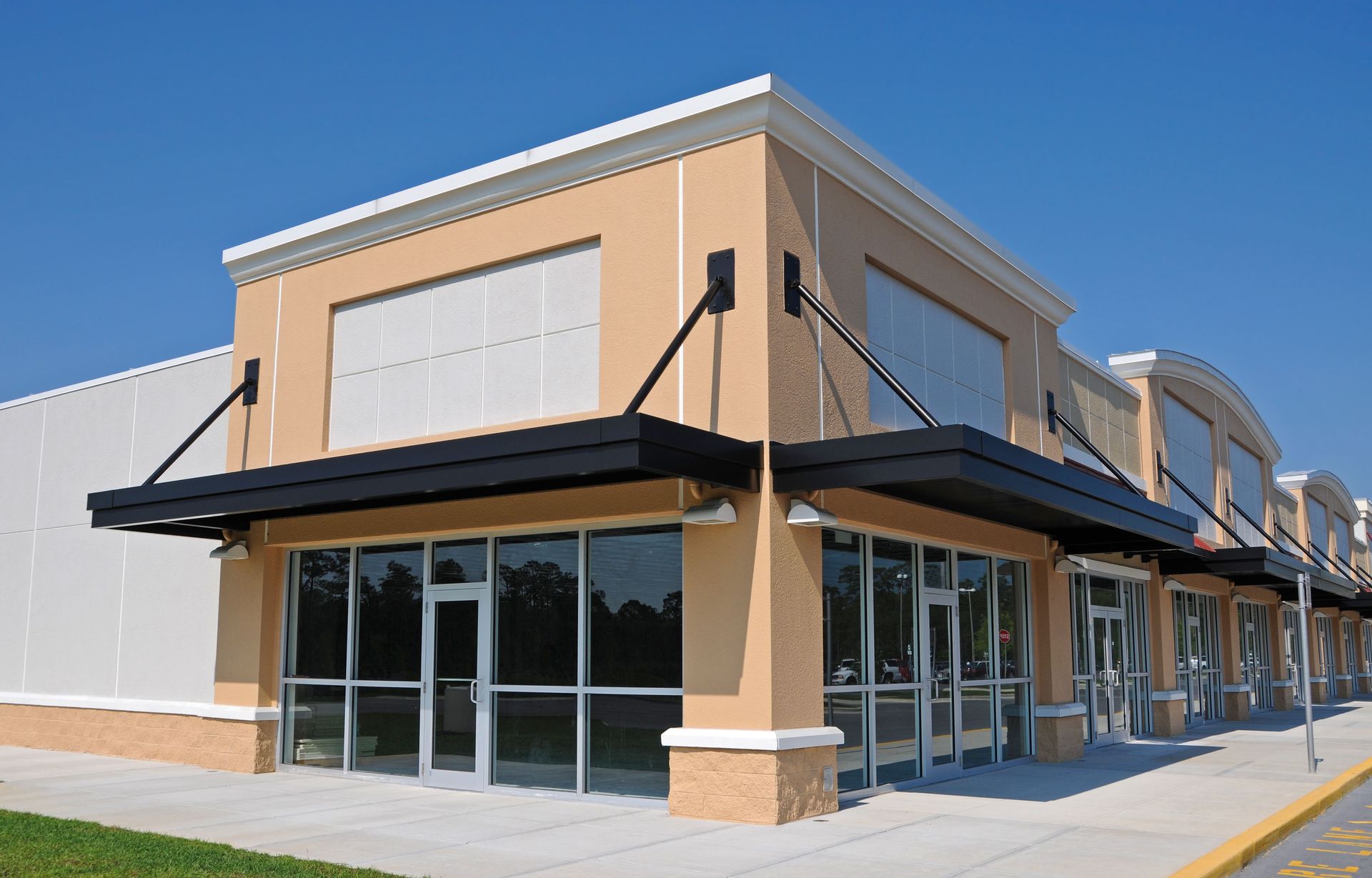
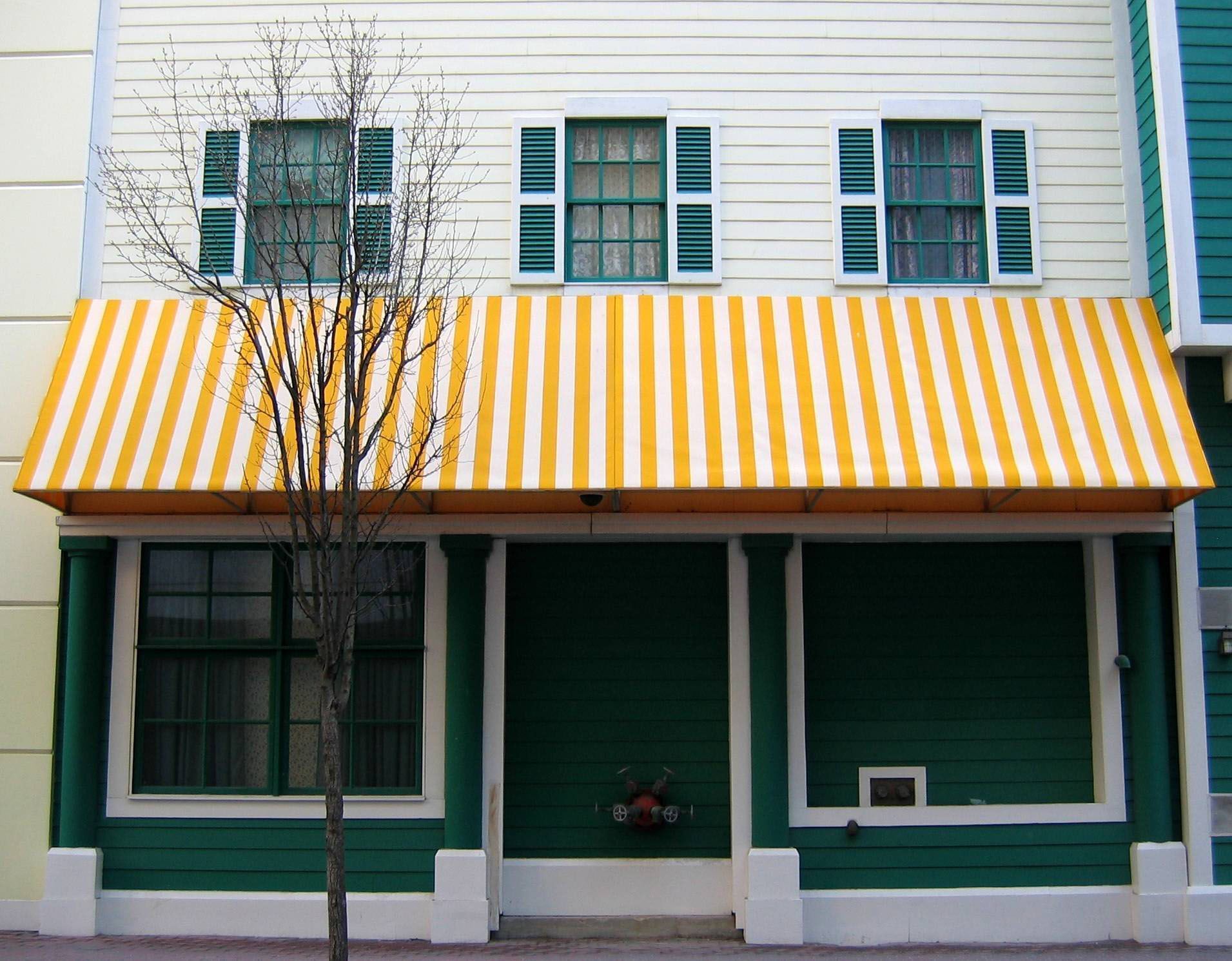
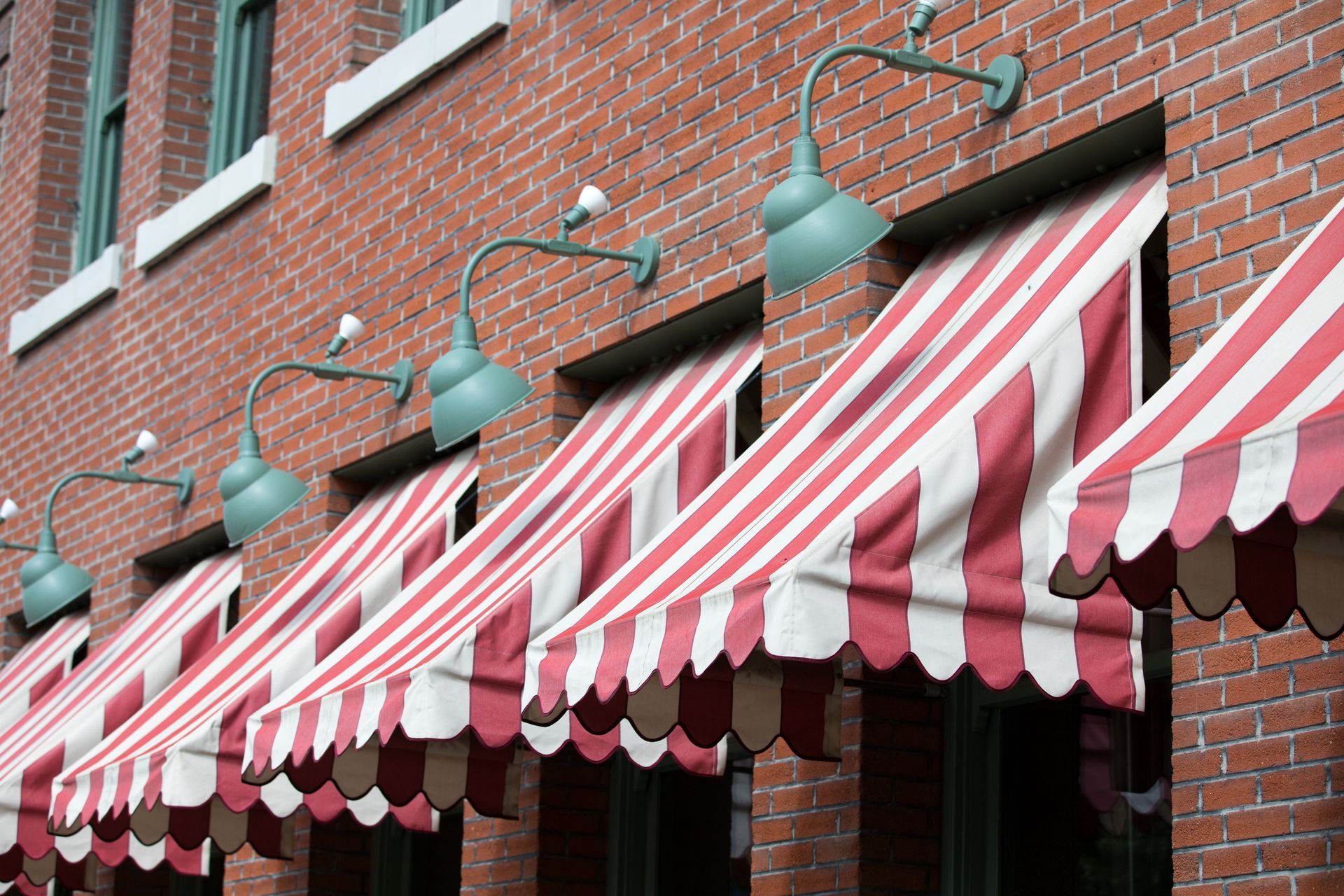
Fixed awnings, sometimes referred to as stationary awnings, offer a robust solution for those seeking permanent shade solutions. They are typically installed once and remain in place year-round. Designs can vary from flat to dome shapes and are constructed with durable materials to withstand various weather conditions. While they lack the flexibility of retractable awnings, their stability makes them effective for protecting entrances, windows, and storefronts. Fixed awnings are typically made from materials like metal or canvas, designed to last in diverse environments.
One significant advantage of fixed awnings is their ability to provide constant protection from UV rays and rain. They are especially useful in commercial settings where consistent appearance and shielding are priorities. Furthermore, they offer an opportunity for branding, with signage and logos often incorporated into their design. Despite their lack of retractability, fixed awnings can still be customized in terms of colors and patterns to match specific aesthetic requirements. Their permanent nature requires careful planning and precise installation.
While the installation process may be more complex, resulting in higher initial costs, fixed awnings are generally less expensive in terms of maintenance. Due to fewer moving parts, there are minimal wear and tear issues, which translates to lower long-term repair costs. Fixed awnings are particularly suitable in regions with moderate climates where year-round coverage is desirable. The continual shade they provide can also be advantageous in minimizing glare and heat ingress through windows, contributing to energy efficiency. However, potential buyers should consider their specific needs when choosing this type.
Freestanding Awnings
Freestanding awnings offer an innovative solution for those looking to cover open spaces without attaching structures to a building. These are versatile and can be strategically placed to provide shade in gardens, pool areas, or any outdoor space that requires coverage. They're an excellent choice for temporary events like parties or exhibitions as they allow for flexibility in location and setup. Unlike traditional awnings, freestanding options come with their own support structures, eliminating the need for additional wall attachments. With many designs featuring wheels or easy dismantling systems, they are extremely user-friendly.
Used extensively in hospitality settings, freestanding awnings can transform expansive open areas into sheltered, usable spaces. This type of awning is suitable for seasonal uses as they can be easily removed and stored away during off-peak months. The materials for freestanding awnings are often chosen for their durability and ease of maintenance, with options ranging from robust acrylic fabrics to lightweight metals. Their portable nature provides businesses with opportunities to redevelop their outdoor layouts frequently. For residential use, they allow for personalization and easy relocation.
Despite their flexibility, it's crucial to ensure that freestanding awnings have a reliable anchoring system for safety, especially in windy conditions. This type of awning is typically semi-permanent and prone to movement, so ensure they're securely fastened or weighted down. On the positive side, they provide an excellent station for family gatherings, and they have the potential to redefine the spatial dynamics of your outdoor area. While they may not offer the seamless integration of attached awnings, they bring a unique dynamic aspect to space planning. Choosing a good quality freestanding awning can also greatly increase the comfort and enjoyment of outdoor living experiences.
Window and Door Awnings
Window and door awnings serve a dual purpose: enhancing aesthetic appeal and providing crucial protection to openings in a building. With the variety of designs available, these awnings can improve the exterior look of a building while offering functional benefits. They are particularly useful for restricting sun exposure, which can cause fading to interior furnishings. Additionally, they help control room temperature, leading to reduced energy expenditures and increased comfort inside the home or office. Material selections for these awnings often prioritize weather resistance and UV protection to ensure durability.
In a residential setting, window and door awnings contribute to improved privacy, regulating visibility from the outside. For commercial buildings, awnings can offer vital exposure for branding and create inviting entrances. By managing the amount of light that enters the property, window and door awnings also contribute to a property's energy efficiency by minimizing heating and cooling loads. Options are available in various materials, including fabric and metal, with each offering specific benefits based on the intended use and aesthetic preference. Choosing the right design can enhance the character and functionality of a building. Be sure to reach out to Lexington Tent & Awning Co., Inc. today for more information on our professional awning company!


Share On: